
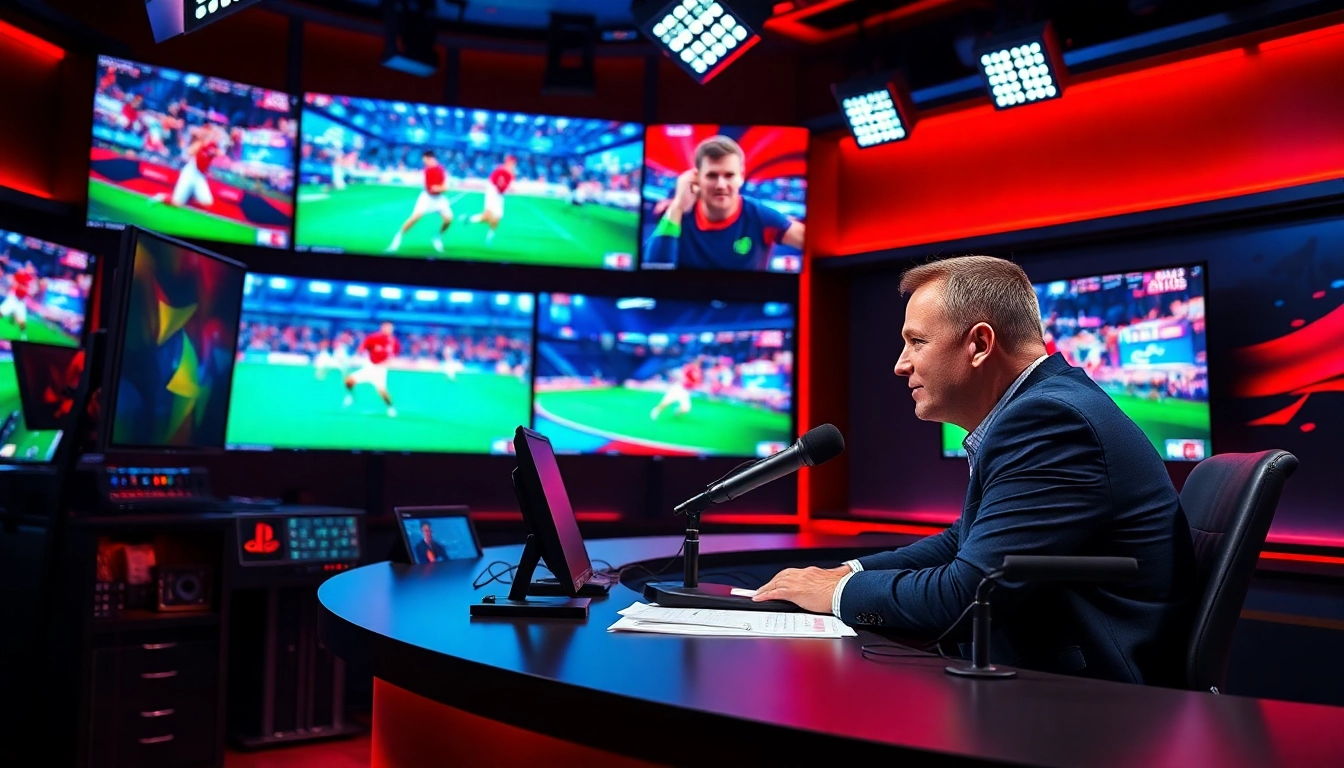
Understanding the Landscape of Sports Broadcasting
Defining Sports Broadcasting
Sports broadcasting serves as a bridge between sports events and their fans. It encompasses the transmission of live sports events, highlights, and analyses through various media platforms, including television, radio, and online streaming. In today’s fast-paced digital world, Sports Broadcasting has evolved to offer diverse content catered to different audiences, driven by advancements in technology and changing viewer preferences.
The Evolution of Sports Broadcasting
Tracing the roots of sports broadcasting, we can see enormous transformations since its inception in the early 20th century. Initially, sports broadcasting began with radio coverage, allowing audiences to listen to live play-by-play commentary. As television technology advanced in the mid-20th century, broadcasters began to provide moving images, offering viewers an immersive experience. The adoption of satellite and cable further expanded accessibility and presentation quality, leading to the emergence of specialized sports networks. Today, digital platforms and mobile applications have fundamentally reshaped consumption habits, allowing fans to engage with sports from almost anywhere.
Key Players in the Sports Broadcasting Industry
The sports broadcasting industry is a multifaceted environment involving a variety of key players, including:
- Network Providers: These include national television networks, cable channels, and satellite services that offer live broadcasts and sports content.
- Streaming Platforms: With the rise of on-demand viewing, services like Netflix, Amazon Prime, and dedicated sports streaming channels have gained traction.
- Production Companies: They are involved in creating high-quality content, from game-day coverage to studio shows.
- Advertisers: Brands that seek to capture the engagement of sports fans contribute significantly to funding and programming.
- Sports Organizations: Leagues and teams work closely with broadcasters to ensure effective coverage and fan engagement strategies.
Essential Techniques for Effective Sports Broadcasting
Communicating with Clarity and Enthusiasm
For a successful career in sports broadcasting, effective communication is crucial. Broadcasters must convey information clearly to inform and engage viewers. Enthusiasm and energy in presentation can captivate audiences, making them feel part of the sports experience. Techniques include:
- Vocal Techniques: Utilize varied pitch, pace, and timbre to maintain listener interest.
- Storytelling: Incorporate narratives that resonate with the audience and enhance their emotional connection to the game.
- Active Listening: Engage in discussions with analysts and viewers, showcasing awareness and responsiveness.
Utilizing Technology to Enhance Broadcasts
Modern technology plays an integral role in sports broadcasting, enabling networks to deliver high-quality visuals and rich interactivity. Some advancements include:
- HD and 4K Resolution: High-definition broadcasts provide viewers with crystal-clear images, enhancing their viewing experience.
- Augmented Reality (AR) and Virtual Reality (VR): These technologies create immersive environments, allowing fans to engage interactively.
- Real-Time Data Analytics: Providing live statistics and insights during broadcasts keeps audiences informed and engaged.
Engaging Audiences through Interactive Content
Interaction is key to maintaining viewer interest in sports broadcasts. Engaging content may include:
- Live Polling: Allowing viewers to voice opinions on game strategies or outcomes encourages participation.
- Social Media Integration: Streaming live tweets or fan reactions can create a sense of community among viewers.
- Behind-the-Scenes Access: Offering exclusive glimpses into player preparations or team strategies heightens viewer interest.
Best Practices for On-Air Presentation
Personal Branding for Sportscasters
In the competitive field of sports broadcasting, talent alone is not enough; personal branding is vital. Successful sportscasters can differentiate themselves through distinctive presentation styles and engaging personalities. Strategies to enhance personal branding include:
- Consistent Messaging: Articulating a coherent viewpoint and signature style can attract a loyal audience.
- Networking: Building relationships within the sports industry expands opportunities and enhances visibility.
- Social Media Presence: Utilizing platforms like Twitter or Instagram can bolster a sportscaster’s outreach and brand.
Working with Field Reporters and Analysts
Collaboration with field reporters and analysts is critical to delivering comprehensive sports coverage. Best practices include:
- Clear Communication: Establishing open lines of communication ensures timely updates and accuracy in reporting.
- Teamwork: Collaborating during broadcasts fosters a harmonious atmosphere that resonates with viewers.
- In-Depth Analyses: Analysts should provide contextual insights that enhance viewer understanding of the game.
Analyzing Viewership Metrics for Improvement
Understanding viewer analytics is imperative for improving broadcast quality and audience connection. This includes:
- Tracking Engagement: Assess metrics such as viewership numbers and social media interactions to gauge audience interest.
- Soliciting Feedback: Actively seek viewer opinions through surveys and feedback forms to identify improvement areas.
- Benchmarking Data: Compare performance with industry standards to assess relative performance and market position.
Future Trends in Sports Broadcasting
The Role of Streaming Services
As viewing habits shift, streaming services are becoming increasingly influential in sports broadcasting. Their flexibility and accessibility help attract a younger audience. Trends include:
- Exclusive Content: Providers may offer exclusive access to certain sports or events to differentiate themselves.
- Subscription Models: Pay-per-view and subscription-based services are evolving how viewers consume sports content.
- Global Reach: Streaming platforms can reach international markets, broadening the audience for sports franchises.
Emerging Technologies Impacting Broadcasting
Innovation continues to shape the sports broadcasting landscape. Key technologies include:
- Artificial Intelligence (AI): AI is transforming content personalization and data analysis, allowing for tailored viewer experiences.
- Blockchain Technology: This can enhance transparency in rights management and ticketing processes within sports.
- 5G Connectivity: Faster internet speeds will support smooth streaming and real-time interactions during broadcasts.
Viewer Preferences and Expectations
As the sports landscape evolves, understanding viewer preferences remains essential for broadcasters. Expectations include:
- Quality of Content: Viewers demand high-quality visuals and sound, making production standards a priority.
- Interactive Features: Fans increasingly seek involvement in broadcasts, expecting interactive content like quizzes and polls.
- Accessibility: Audiences appreciate access to multiple viewing options, including live commentary in various languages.
FAQs about Sports Broadcasting
What skills are needed for a career in sports broadcasting?
Effective communication and a strong understanding of sports are essential for success in sports broadcasting.
How has technology changed sports broadcasting?
Technology has improved viewer experience through high-quality visuals, virtual graphics, and real-time statistics.
What types of sports can be broadcasted?
Various sports, including football, basketball, baseball, soccer, and niche sports, can be broadcasted to diverse audiences.
How can broadcasters engage their audience?
Using interactive content, social media integration, and compelling storytelling can significantly enhance audience engagement.
What is the importance of viewer analytics?
Viewer analytics help broadcasters understand audience preferences and tailor content to boost engagement and ratings.